

-
-
Three-Dimensional Extension of Terzaghi’s Arching Formula Using the Average Inclination Angle of the Slip Surface and Evaluation of its Effects under Various Excavation Conditions
활동면의 평균 경사각을 이용한 Terzaghi 아칭공식의 3차원 확장 및 다양한 굴착조건에서의 영향 평가
-
Moorak Son
손무락
- Terzaghi proposed a two-dimensional arching formula by assuming that vertical slip surfaces form in the ground above a downward-moving trapdoor. However, in …
Terzaghi 트랩도어의 하향 이동으로 상부 지반에 수직 활동면이 형성된다고 가정하고, 아칭효과를 평가하기 위한 2차원 공식을 제안하였다. 그러나 실제 지반에서 형성되는 활동면은 수직이 …
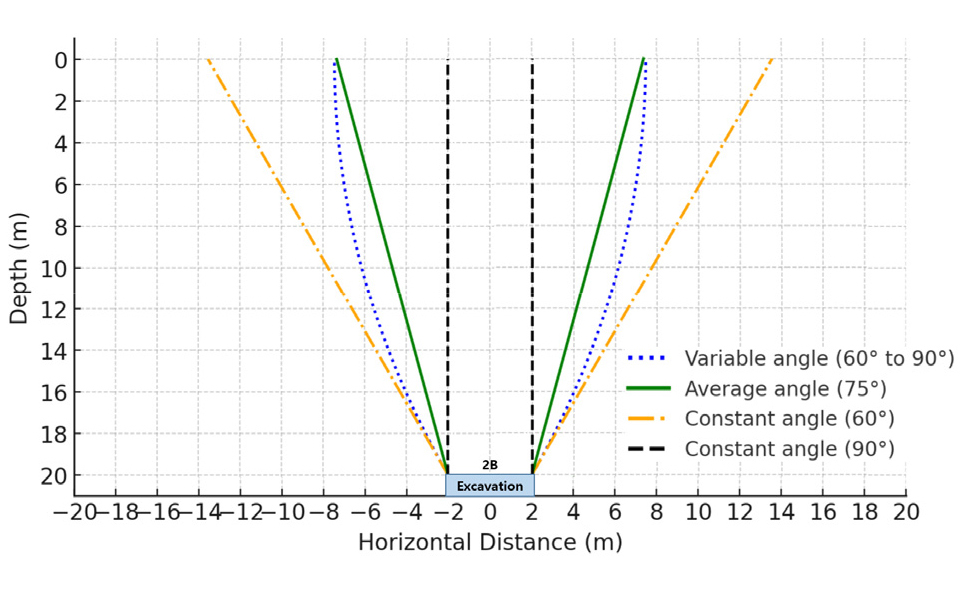
- Terzaghi proposed a two-dimensional arching formula by assuming that vertical slip surfaces form in the ground above a downward-moving trapdoor. However, in actual ground conditions, slip surfaces are often inclined rather than vertical, and their inclination angle may vary with depth. To address this limitation, this study extends Terzaghi’s two-dimensional arching formula to three-dimensional excavation conditions and proposes a modified formula that accounts for the depth-dependent variation of slip surface inclination using an average inclination angle. The inclination angle is assumed to be 90° at the ground surface and to change to a specified value at the excavation level. Using the proposed formula, the effects of excavation width, length, depth, and slip surface inclination angle on vertical stress were analyzed. The results show that the depth-dependent variation of slip surface inclination significantly affects vertical stress, and that this effect depends on the excavation conditions. The proposed average-inclination-angle-based three-dimensional arching approach provides a practical and simplified framework for evaluating arching behavior and vertical stress under three-dimensional excavation conditions.
- COLLAPSE
Terzaghi 트랩도어의 하향 이동으로 상부 지반에 수직 활동면이 형성된다고 가정하고, 아칭효과를 평가하기 위한 2차원 공식을 제안하였다. 그러나 실제 지반에서 형성되는 활동면은 수직이 아니라 경사진 형태를 보이는 경우가 많으며, 그 경사각도 깊이에 따라 변화할 수 있다. 본 연구에서는 이러한 한계를 보완하기 위해 Terzaghi의 2차원 아칭공식을 3차원 굴착조건으로 확장하고, 깊이에 따라 변화하는 활동면 경사각의 영향을 평균 경사각으로 반영한 수정식을 제안하였다. 활동면 경사각은 지표면에서 90°이고, 굴착면에서는 특정 경사각으로 변화하는 것으로 가정하였다. 제안식을 이용하여 굴착 폭, 굴착 길이, 굴착 깊이 및 활동면 경사각 조건이 수직응력에 미치는 영향을 분석하였다. 그 결과, 깊이에 따른 활동면 경사각 변화는 수직응력 산정에 큰 영향을 미치며, 그 영향은 굴착조건에 따라 달라지는 것으로 나타났다. 본 연구에서 제안한 평균 경사각 기반 3차원 아칭해석 방법은 깊이에 따라 변화하는 활동면 형상을 보다 현실적으로 고려하면서도 계산 과정을 단순화할 수 있는 실용적인 접근법이다. 따라서 본 연구의 결과는 3차원 굴착조건에서의 아칭현상과 수직응력 변화를 이해하고 평가하는 데 유용한 해석적 틀을 제공하며, 지반공학적 설계 및 해석에 실질적인 기초자료로 활용될 수 있을 것으로 판단된다.
-
Three-Dimensional Extension of Terzaghi’s Arching Formula Using the Average Inclination Angle of the Slip Surface and Evaluation of its Effects under Various Excavation Conditions
-
-
A Study on the Characteristics of Settlement Behaviour under Various Conditions in Soft Ground along the West Coast of Korea
서해안 연약지반의 다양한 조건에 대한 침하 거동의 특성 연구
-
Hoyeol Son, Jaehyun Kim, Youngjin Jeon, Gooseong Lee, Sungwan Park, Cheolju Lee
손호열, 김재현, 전영진, 이구성, 박성완, 이철주
- This study compared and analysed the settlement behaviour of improved soft ground under different drainage and embankment conditions using field monitoring data …
본 연구는 연약지반 개량 구간에 대해 배수 조건과 성토 조건에 따른 침하 거동 특성을 현장 계측 자료 및 수치해석 결과를 이용하여 비교·분석하였다. …
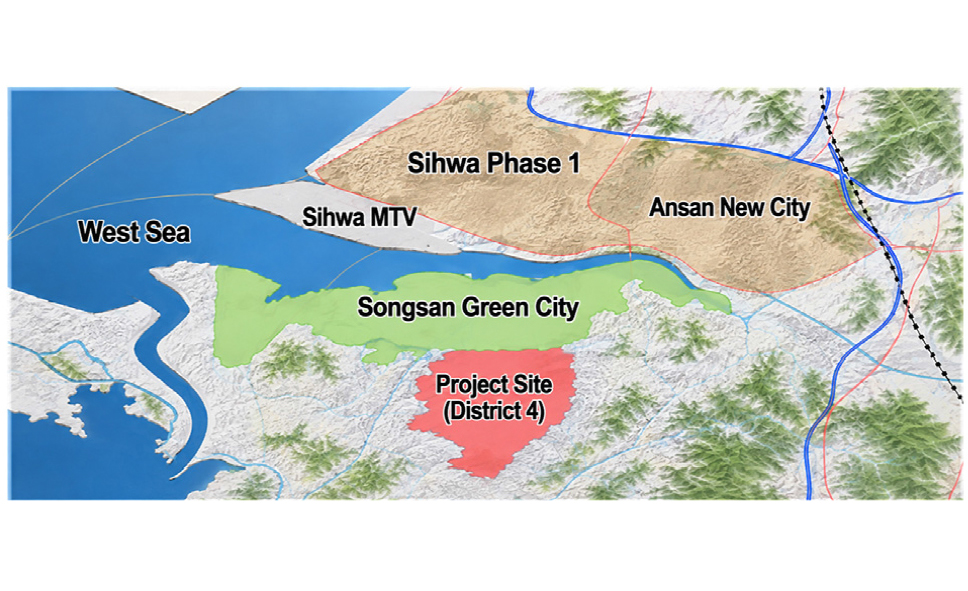
- This study compared and analysed the settlement behaviour of improved soft ground under different drainage and embankment conditions using field monitoring data and numerical analysis results. Settlement and elapsed time were normalised by the final settlement and the total elapsed time, respectively, to investigate differences in consolidation behaviour. The results showed that approximately 70–80% of the final settlement occurred within a normalised time of 0.4 in both the plastic board drain (PBD) section and the natural drainage section. In the natural drainage section, more than 60% of the final settlement occurred within a normalised time of 0.2, while approximately 55–58% of the total settlement developed during the high embankment stage. The field monitoring data indicated that consolidation settlement continued during the later stages of consolidation following the high embankment stage, whereas the numerical analysis predicted that most settlement occurred during the early stages and subsequently converged rapidly. These findings suggest that the settlement behaviour of soft ground should be evaluated not only in terms of the final settlement but also by taking into account drainage conditions, embankment history, and the time-dependent characteristics of consolidation.
- COLLAPSE
본 연구는 연약지반 개량 구간에 대해 배수 조건과 성토 조건에 따른 침하 거동 특성을 현장 계측 자료 및 수치해석 결과를 이용하여 비교·분석하였다. 침하량 및 경과시간은 각각 최종 침하량과 최종 경과시간으로 정규화하여 압밀 거동의 차이를 검토하였다. 분석 결과 PBD 구간과 자연배수 구간 모두 최종 침하량의 약 70~80%가 정규화 시간 0.4 이내에서 발생하였다. 자연배수 구간은 정규화 시간 0.2 이내에 최종 침하량의 60% 이상이 집중되는 특성을 보였으며, 전체 침하량의 약 55~58%가 고성토 단계에서 발생하는 것으로 나타났다. 계측 결과에서는 고성토 단계 이후의 압밀 후반부에도 압밀에 의한 침하가 지속되었으나 수치해석 결과에서는 대부분의 침하가 초기 단계에서 발생한 후 빠르게 수렴하는 경향을 보였다. 이러한 결과는 연약지반의 침하 거동은 최종 침하량만으로 평가하기보다 배수 조건, 성토 이력 및 시간 의존적 압밀 특성을 함께 고려하여 해석할 필요가 있다는 점을 보여준다.
-
A Study on the Characteristics of Settlement Behaviour under Various Conditions in Soft Ground along the West Coast of Korea
-
-
A Study on Horizontal Earth Pressure in Narrow Backfills under Different Wall Inclination Conditions
좁은 공간에 조성된 뒤채움 지반의 경사조건에 따른 수평토압 연구
-
Byounghun Kim, Hoki Ban
김병훈, 반호기
- In urban areas or under constrained construction conditions where sufficient excavation space is difficult to secure, narrow excavations are commonly used for …
굴착 부지를 확보하기 어려운 도심 지역이나 제한된 시공조건에서는 노후화된 지중 구조물을 보수·보강하거나 새로운 매설물을 시공하기 위해 좁게 굴착한 후 뒤채움을 수행한다. 이러한 …
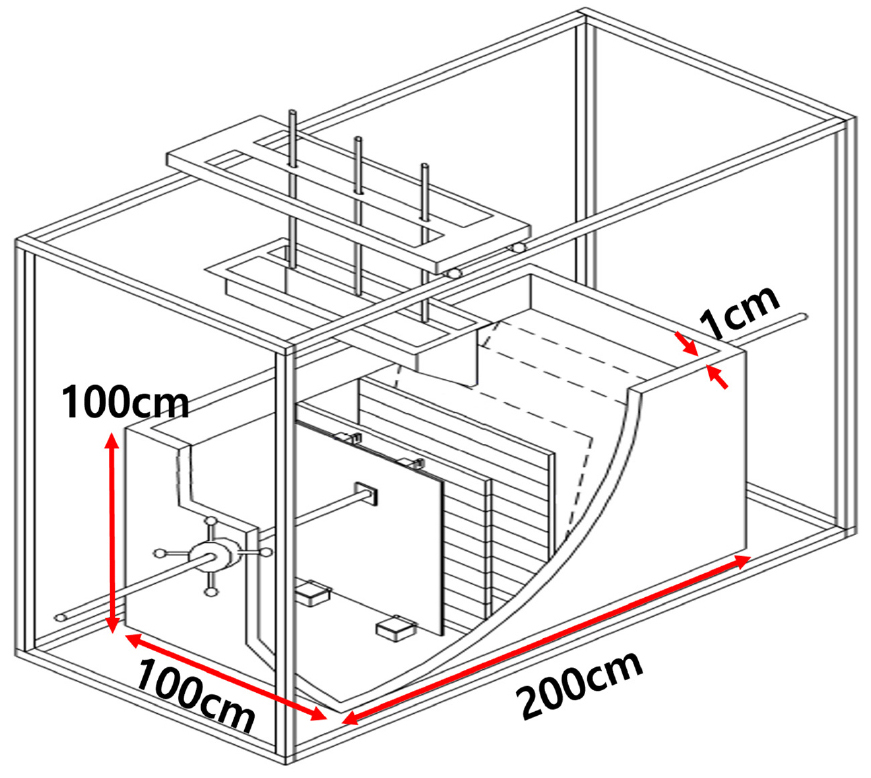
- In urban areas or under constrained construction conditions where sufficient excavation space is difficult to secure, narrow excavations are commonly used for the repair and rehabilitation of deteriorated underground structures or the installation of new buried facilities, followed by backfilling. Backfill placed within such narrow spaces is strongly influenced by arching effects induced by excavation boundary conditions. Therefore, the direct application of conventional earth pressure theories may result in discrepancies from the actual horizontal earth pressure, potentially leading to overdesign or affecting the assessment of structural stability. In this study, the distribution of horizontal earth pressure in narrowly excavated backfill was investigated through laboratory soil-box tests and numerical analyses using PLAXIS-2D, with particular emphasis on variations in boundary conditions. The results showed that horizontal earth pressure decreased as the base width decreased and the wall inclination became steeper. In addition, comparison with conventional theoretical solutions indicated that the measured horizontal earth pressures generally fell between the numerical analysis results and the values calculated using the conventional theories. These findings suggest that a comprehensive comparison and evaluation of numerical analysis results and conventional theoretical solutions are necessary for the rational assessment of horizontal earth pressure in narrowly excavated backfill.
- COLLAPSE
굴착 부지를 확보하기 어려운 도심 지역이나 제한된 시공조건에서는 노후화된 지중 구조물을 보수·보강하거나 새로운 매설물을 시공하기 위해 좁게 굴착한 후 뒤채움을 수행한다. 이러한 좁은 공간에 조성된 뒤채움 지반은 굴착면의 경계조건에 따른 아칭 효과의 영향을 크게 받는다. 따라서 기존 이론식을 적용할 경우 실제 발생하는 수평토압과 차이가 발생하여 과다설계 또는 구조물의 안정성 평가에 영향을 미칠 수 있다. 본 연구에서는 좁게 굴착된 뒤채움 지반의 수평토압 분포를 분석하기 위해 경계조건 변화에 따른 수평토압의 변화를 실내 토조 실험과 지반해석 프로그램인 PLAXIS-2D를 이용한 수치해석을 통해 분석하였다. 분석 결과, 저부 폭이 좁아지고 벽면 경사가 급해질수록 수평토압이 감소하는 경향이 나타났다. 또한 기존 이론식과의 비교 결과, 실험에서 측정된 수평토압은 수치해석 결과와 기존 이론식에 의한 산정값 사이에 분포하는 것으로 나타났다. 따라서 좁게 굴착된 뒤채움 지반의 수평토압을 합리적으로 평가하기 위해서는 수치해석 결과와 기존 이론식에 대한 종합적인 비교·분석이 필요한 것으로 판단된다.
-
A Study on Horizontal Earth Pressure in Narrow Backfills under Different Wall Inclination Conditions
-
-
Compressive Strength Characteristics of CLSM Containing Wood Fly Ash
우드플라이애시를 혼입한 CLSM의 압축강도 특성
-
Sangyun Kim, Hoki Ban, Wonjun Park
김상윤, 반호기, 박원준
- This study evaluated the compressive strength characteristics of controlled low-strength material (CLSM) containing wood fly ash (WFA) as a replacement for fly …
본 연구에서는 우드플라이애시(Wood Fly Ash, WFA)를 플라이애시(FA) 대체재로 혼입한 Controlled Low-Strength Material(CLSM)의 압축강도 특성을 평가하였다. 동일 바이오매스 발전시설에서 서로 다른 시기에 채취한 …
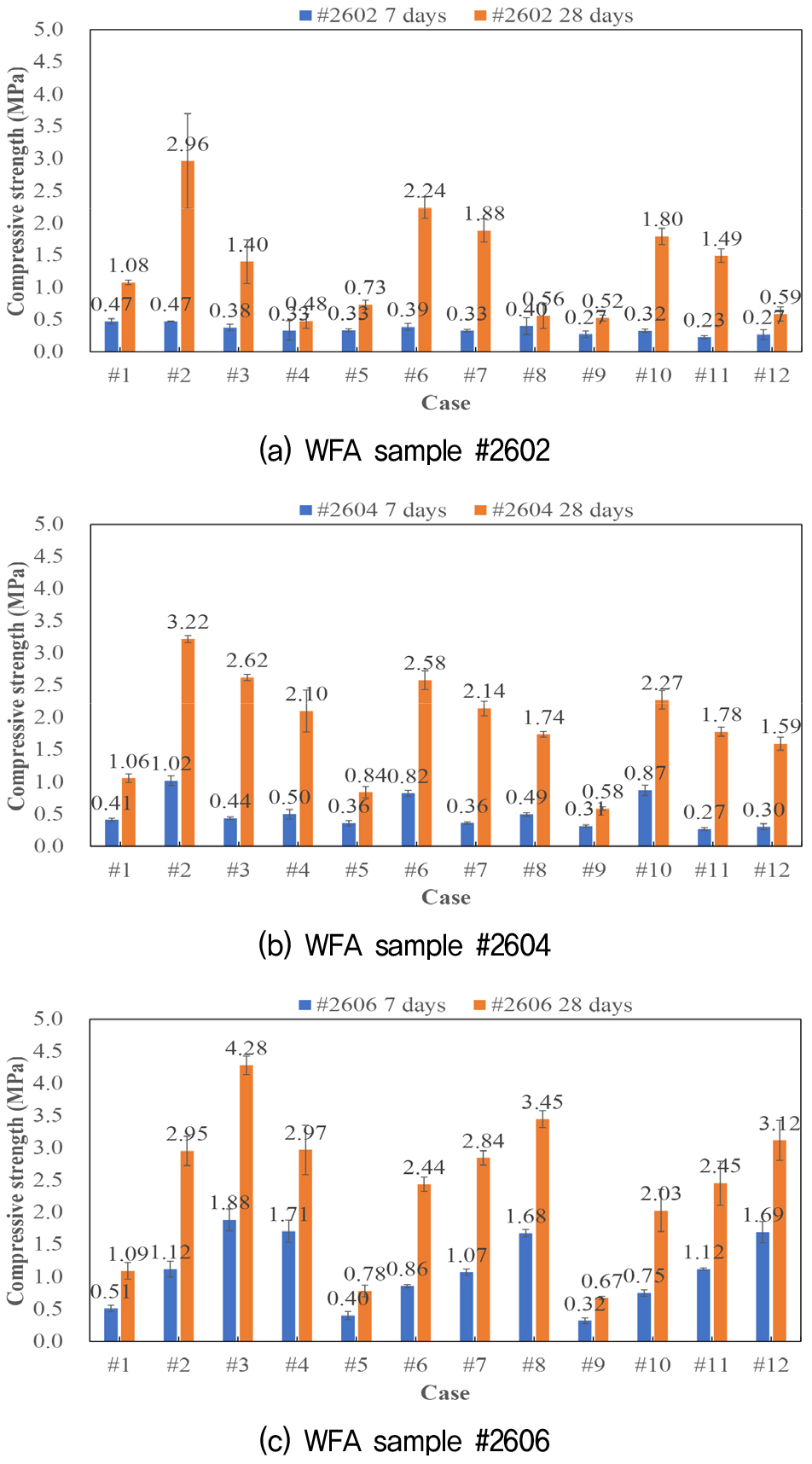
- This study evaluated the compressive strength characteristics of controlled low-strength material (CLSM) containing wood fly ash (WFA) as a replacement for fly ash (FA). Three WFA samples, #2602, #2604, and #2606, collected at different periods from the same biomass power plant were used. The water-to-binder ratios (W/B) were 0.8, 0.9, and 1.0, and the WFA replacement ratios were 0, 25, 50, and 100 %. Compressive strength was measured at 7 and 28 days, and the strength development was compared with the particle size and chemical composition of the WFA samples. Compressive strength increased with curing age for all mixtures. Samples #2602 and #2604 showed relatively high strength at 25 % WFA replacement, followed by a decrease with increasing replacement ratio. In contrast, #2606 maintained relatively high strength at higher replacement ratios and showed the maximum 28-day strength of 4.28MPa at W/B 0.8 and 50% replacement. Although the WFA samples were obtained from the same plant, differences in particle size and chemical composition were observed. These differences may be associated with the strength development of WFA-containing CLSM. Therefore, the physicochemical characteristics of WFA should be considered together with W/B and replacement ratio when determining CLSM mixture conditions.
- COLLAPSE
본 연구에서는 우드플라이애시(Wood Fly Ash, WFA)를 플라이애시(FA) 대체재로 혼입한 Controlled Low-Strength Material(CLSM)의 압축강도 특성을 평가하였다. 동일 바이오매스 발전시설에서 서로 다른 시기에 채취한 WFA #2602, #2604 및 #2606을 사용하였으며, 물-바인더비(W/B)는 0.8, 0.9 및 1.0, WFA 치환율은 0, 25, 50 및 100 %로 설정하였다. 각 배합에 대하여 재령 7일 및 28일 압축강도를 측정하고, WFA의 입도 및 화학조성과 강도발현 특성을 비교하였다. 모든 배합에서 재령 증가에 따라 압축강도가 증가하였다. #2602와 #2604는 WFA 치환율 25 %에서 상대적으로 높은 강도를 나타낸 후 치환율 증가에 따라 감소하는 경향을 보였다. 반면 #2606은 높은 치환율에서도 비교적 높은 강도를 나타냈으며, W/B 0.8 및 WFA 치환율 50 %에서 재령 28일 압축강도 4.28 MPa로 전체 배합 중 최대값을 나타냈다. 또한 동일한 발생원에서 채취한 WFA에서도 입도와 화학조성에 차이가 확인되었으며, 이러한 재료특성의 차이가 CLSM의 강도발현과 관련될 가능성이 있는 것으로 판단된다. 이상의 결과로부터 WFA를 CLSM에 활용할 경우 W/B와 치환율뿐만 아니라 사용되는 WFA의 물리·화학적 특성을 함께 고려하여 배합조건을 설정할 필요가 있는 것으로 판단된다.
-
Compressive Strength Characteristics of CLSM Containing Wood Fly Ash
-
-
Evaluation of Horizontal-Drain Performance and Rainfall-Induced Slope Stability Using Coupled Hydro-Mechanical Analysis
수리-역학 연계해석을 이용한 강우침투 비탈면의 수평배수공 배수성능 및 안정성 평가
-
Hoki Ban, Heesu Kim, Jaemo Kang
반호기, 김희수, 강재모
- This study investigated the influence of horizontal-drain inclination on rainfall-induced drainage and the stability of an initially unsaturated slope without an initial …
본 연구에서는 초기 지하수위가 없는 불포화 토사 비탈면을 대상으로 수평배수공의 설치각도가 강우 침투수의 배출과 비탈면 안정성에 미치는 영향을 평가하였다. 강우 침투에 따른 …
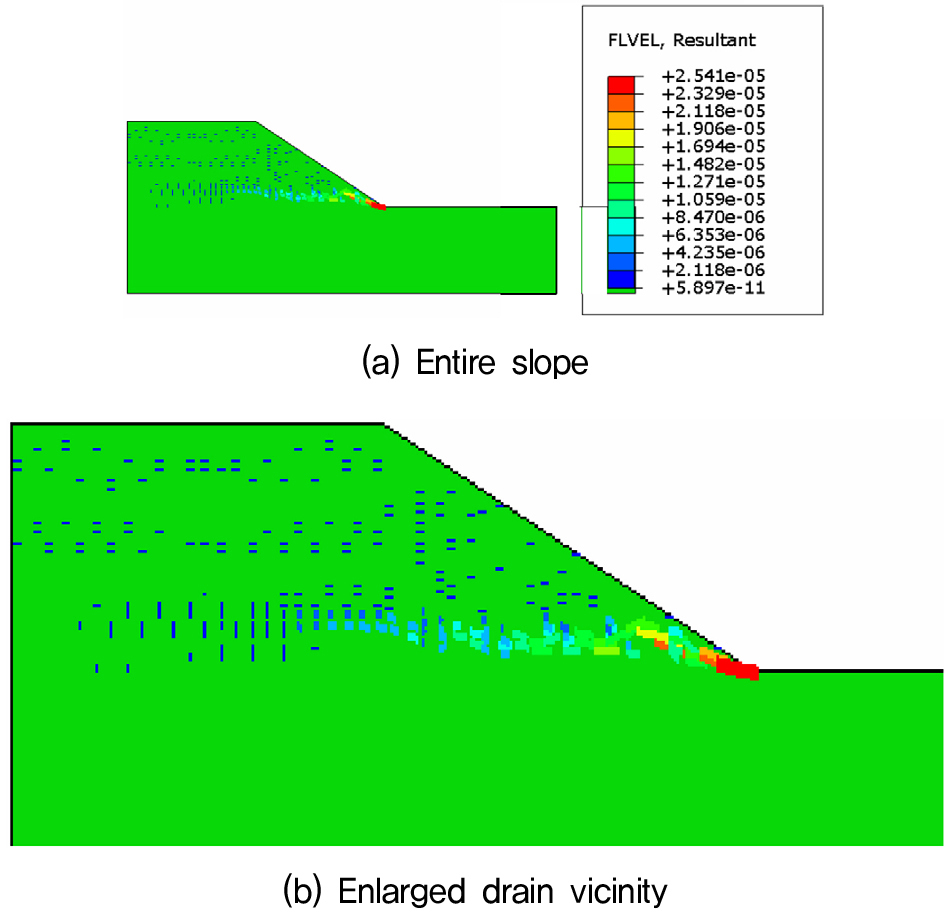
- This study investigated the influence of horizontal-drain inclination on rainfall-induced drainage and the stability of an initially unsaturated slope without an initial groundwater table. Coupled hydro-mechanical finite-element analyses were performed to account for the interaction between pore-water-pressure evolution and soil deformation during rainfall infiltration. The drain was represented as a continuous high-permeability zone that collected infiltrating water from the surrounding ground. Cases without a drain and with upward drain inclinations of 0°, 5°, and 10° were compared. During six days of sustained rainfall, the cumulative discharges were 2.394, 3.367, and 3.391 m3/m for the 0°, 5°, and 10° cases, respectively. The maximum pore-water pressure at the end of rainfall decreased from 41.0 kPa without a drain to 30.1, 24.9, and 24.4 kPa for the 0°, 5°, and 10° cases, respectively. The factor of safety was identified as the strength-reduction factor at the onset of a pronounced nonlinear increase in maximum displacement, corroborated by the formation of a continuous band of equivalent plastic strain. The resulting factors of safety were 1.63, 2.13, 2.61, and 2.64 for the cases without a drain and with drain inclinations of 0°, 5°, and 10°, respectively. Relative to the horizontal drain, the 5° upward drain intercepted a larger portion of the wetted zone, increased discharge, reduced pore-water pressure, and suppressed slope deformation. The drainage and stability responses of the 5° and 10° cases were similar, indicating that the additional benefit of increasing the inclination beyond 5° was limited under the conditions considered.
- COLLAPSE
본 연구에서는 초기 지하수위가 없는 불포화 토사 비탈면을 대상으로 수평배수공의 설치각도가 강우 침투수의 배출과 비탈면 안정성에 미치는 영향을 평가하였다. 강우 침투에 따른 간극수압과 변형의 상호작용을 고려하기 위하여 간극수압과 변위를 동일 시간증분에서 산정하는 수리–역학 연계 유한요소해석을 수행하였다. 배수공은 주변 지반의 침투수를 집수하는 고투수성 연속 배수영역으로 모델링하였으며, 배수공 미설치 조건과 설치각도 0°, 5° 및 10° 조건을 비교하였다. 그 결과, 6일간의 지속강우 동안 누적 배수량은 0°, 5° 및 10° 조건에서 각각 2.394, 3.367 및 3.391 m3/m로 나타났다. 강우 종료 시 최대 간극수압은 배수공 미설치 조건의 41.0 kPa에서 0°, 5° 및 10° 조건의 30.1, 24.9 및 24.4 kPa로 감소하였다. 변위가 급격히 증가하기 시작한 강도감소계수는 각각 1.63, 2.13, 2.61 및 2.64로 평가되었다. 5° 상향 설치는 수평 설치보다 침윤영역과 배수공의 중첩범위를 확대하여 배수량을 증가시키고 비탈면의 변형을 억제하였다. 그러나 5°와 10° 조건의 배수량, 간극수압 및 안전율 차이는 크지 않았다. 이 결과는 완만한 상향각이 배수공의 집수효율을 높일 수 있으나, 일정 각도 이후의 추가적인 안정성 개선은 제한적임을 나타낸다.
-
Evaluation of Horizontal-Drain Performance and Rainfall-Induced Slope Stability Using Coupled Hydro-Mechanical Analysis
-
-
Dynamic Response Characteristics of Soil-Pile Group-Superstructure According to Scour Depth
세굴심도에 따른 지반-무리말뚝-상부구조물의 동적 응답 특성
-
Joohee Won, Kwangkuk Ahn
원주희, 안광국
- Bridge substructures are continuously susceptible to scour induced by river flows, floods, and water currents. In particular, local scour around bridge piers …
교량 하부구조물은 하천의 흐름, 홍수 및 유수에 의해 발생하는 세굴의 영향을 지속적으로 받을 수 있다. 특히, 교각 주변의 국부세굴은 기초 주변 지반을 …
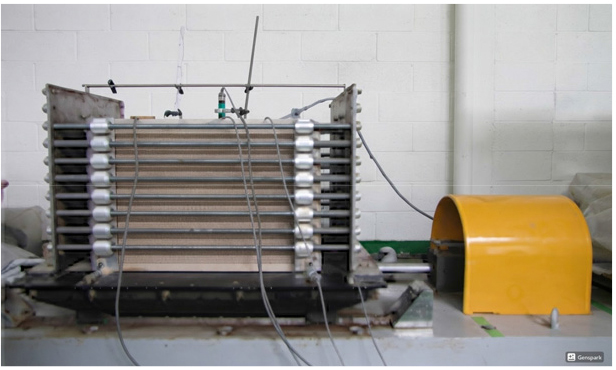
- Bridge substructures are continuously susceptible to scour induced by river flows, floods, and water currents. In particular, local scour around bridge piers causes the loss of surrounding soil, which alters the support conditions and lateral resistance characteristics of the pile foundation. Consequently, this can change the stiffness and natural vibration characteristics of the soil-pile group-superstructure. Therefore, in this study, 1g shaking table tests were conducted to investigate the effect of scour depth on the dynamic response characteristics of the soil-pile group-superstructure. The dynamic responses were thoroughly evaluated by analyzing the acceleration responses, acceleration response spectra, and Fourier amplitude spectrum ratios at the ground, pile group, and superstructure according to various scour depths. The results confirmed that scour is not merely a phenomenon of reduced ground elevation, but a major factor that alters the load transfer path and dynamic response characteristics of the soil-pile group-superstructure.
- COLLAPSE
교량 하부구조물은 하천의 흐름, 홍수 및 유수에 의해 발생하는 세굴의 영향을 지속적으로 받을 수 있다. 특히, 교각 주변의 국부세굴은 기초 주변 지반을 유실시켜 말뚝기초의 지지조건 및 횡방향 저항 특성을 변화시켜 지반-무리말뚝-상부구조물의 강성 및 고유진동 특성을 변화시킬 수 있다. 따라서 본 연구에서는 지반-무리말뚝-상부구조물의 동적 응답 특성에 세굴심도가 미치는 영향을 확인하기 위해 1g 진동모형실험을 수행하고 지반, 무리말뚝, 상부구조물에서의 응답가속도와 응답가속도스펙트럼 및 진폭스펙트럼비를 분석하여 세굴심도가 지반-무리말뚝-상부구조물의 동적응답 특성을 분석하였다. 그 결과 세굴은 단순한 지반고 저하 현상이 아니라 지반-무리말뚝-상부구조물의 하중전달 경로와 동적응답 특성을 변화시키는 주요 인자로 확인되었다.
-
Dynamic Response Characteristics of Soil-Pile Group-Superstructure According to Scour Depth
-
-
Diagnosis of Water Supply Safety in Agricultural Reservoirs Using the Water Availability Sufficiency Index (WASI)
농업용수 가용성 충족지수(WASI)를 이용한 농업용 저수지의 용수공급 안전도 진단
-
Taehwa Lee, Yongchul Shin, Younghun Jung, Beomgu Kim
이태화, 신용철, 정영훈, 김범구
- The Water Availability Sufficiency Index (WASI) was presented to quantitatively diagnose the water supply safety of agricultural reservoirs. WASI is a dimensionless …
농업용 저수지의 용수공급 안전도를 정량적으로 진단하기 위하여 본 연구에서는 농업용수 가용성 충족지수(Water Availability Sufficiency Index, WASI)를 제시하였다. WASI는 관개 시작 시점의 가용저수량과 …
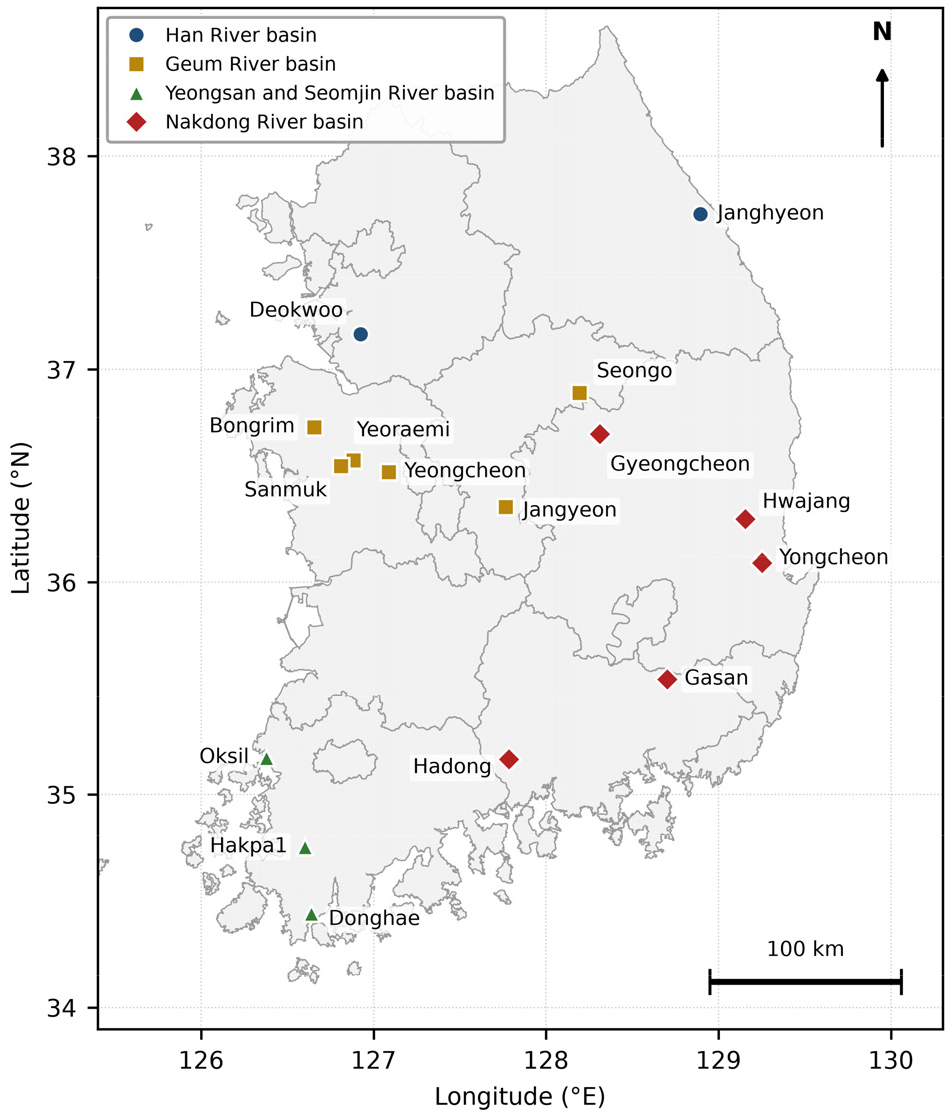
- The Water Availability Sufficiency Index (WASI) was presented to quantitatively diagnose the water supply safety of agricultural reservoirs. WASI is a dimensionless index defined as the available storage at the start of irrigation plus the usable inflow during the irrigation period, divided by the total water requirement for the same period. WASI was estimated for 48 reservoir-year cases of 16 agricultural reservoirs in the four major river basins of South Korea from 2021 to 2023, using the water balance results of the KRC-Hydraulic & Hydrology Analysis System (K-HAS). The median WASI was 2.158, ranging from 0.897 to 4.443. Although the storage rate at the start of irrigation exceeded 90 % in 43 of the 48 cases, WASI ranged from 1.067 to 4.443 within that narrow band, indicating that the storage rate alone cannot assess water supply safety. The ratio of spill to total inflow increased from 61.5 % in 2021 to 80.2 % in 2023, showing that the usable inflow should be distinguished. Water shortage occurred in five cases. Where WASI was below 1.0, additional water sources are required. Shortage also occurred where WASI exceeded 1.0, because the storage had been drawn down to the dead storage before the later inflow arrived.
- COLLAPSE
농업용 저수지의 용수공급 안전도를 정량적으로 진단하기 위하여 본 연구에서는 농업용수 가용성 충족지수(Water Availability Sufficiency Index, WASI)를 제시하였다. WASI는 관개 시작 시점의 가용저수량과 관개기간의 이용가능 유입량을 합한 총가용수량을 같은 기간의 총용수량으로 나눈 무차원 지수이다. 국내 4대 권역에 위치한 16개 농업용 저수지를 대상으로 2021년부터 2023년까지 수리수문설계시스템(K-HAS)의 물수지 분석 결과를 이용하여 48개 저수지·연도 조합의 WASI를 산정하고, 같은 기간의 농업용수 부족 특성과 비교하였다. 산정 결과 WASI의 중앙값은 2.158, 범위는 0.897에서 4.443이었다. 관개 시작 시점의 저수율은 48개 사례 중 43개가 90 % 이상으로 분포의 폭이 좁았음에도 해당 구간에서 WASI는 1.067에서 4.443까지 나타나, 저수율만으로는 저수지의 공급 안전도를 판단하기 어려운 것으로 나타났다. 전체 유입량 중 무효방류량이 차지하는 비율은 2021년 61.5 %에서 2023년 80.2 %로 증가하여 이수 목적으로 활용 가능한 유입량의 구분이 필요하였다. 농업용수 부족은 5개 사례에서 발생하였으며, WASI가 1.0 미만인 사례는 확보된 수자원 자체가 총용수량에 미달하여 보조수원 확보가 필요한 상태였다. WASI가 1.0 이상인 사례에서도 부족이 발생하였는데, 이는 부족 개시 시점에 저수량이 사수용량까지 소진되어 관개기간 전체로는 수자원이 충분하였더라도 유입이 부족 발생 이후에 도래하였기 때문으로 나타났다.
-
Diagnosis of Water Supply Safety in Agricultural Reservoirs Using the Water Availability Sufficiency Index (WASI)

Journal Informaiton
 Journal of the Korean Geo-Environmental Society
Journal of the Korean Geo-Environmental Society





 Korean Geo-Environmental Society
한국지반환경공학회
Suite 603, Yangji B/D, 1397, Yangjae-daero, Gangdong-gu, Seoul 05376, Korea
Tel: +82-2-483-7888 / Fax: +82-2-483-7830 / E-mail: kges7888@hanmail.net Copyright© Korean Geo-Environmental Society. Powered by APUB
Tel: +82-2-483-7888 / Fax: +82-2-483-7830 / E-mail: kges7888@hanmail.net Copyright© Korean Geo-Environmental Society. Powered by APUB